Central America | Belize | Hol Chan Marine Reserve

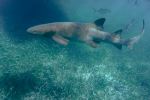
Hol Chan Marine Reserve lies off the southern coast of Ambergris Caye, near San Pedro in northern Belize. The protected area covers coral reefs, seagrass beds, mangroves, and channels that form part of the Belize Barrier Reef. Its name comes from the Maya words for “little channel,” referring to a natural break in the reef that allows water to move between the Caribbean Sea and the shallow lagoon. The reserve is close to San Pedro and is widely used for snorkeling, diving, fishing, research, and marine education, while regulations help protect its habitats and wildlife.
Hol Chan has an important connection with the coastal communities of Belize, particularly the fishing community of San Pedro. Before the reserve was established, local fishers used the reef and surrounding waters for species such as snapper, grouper, conch, and lobster. Community concerns about declining fish populations helped encourage the creation of the protected area. Today, conservation forms an important part of local identity, with rangers, fishers, tour operators, researchers, and residents involved in protecting the marine environment. The reserve also reflects Belize’s wider Maya, Garifuna, Creole, Mestizo, and Caribbean cultural influences.
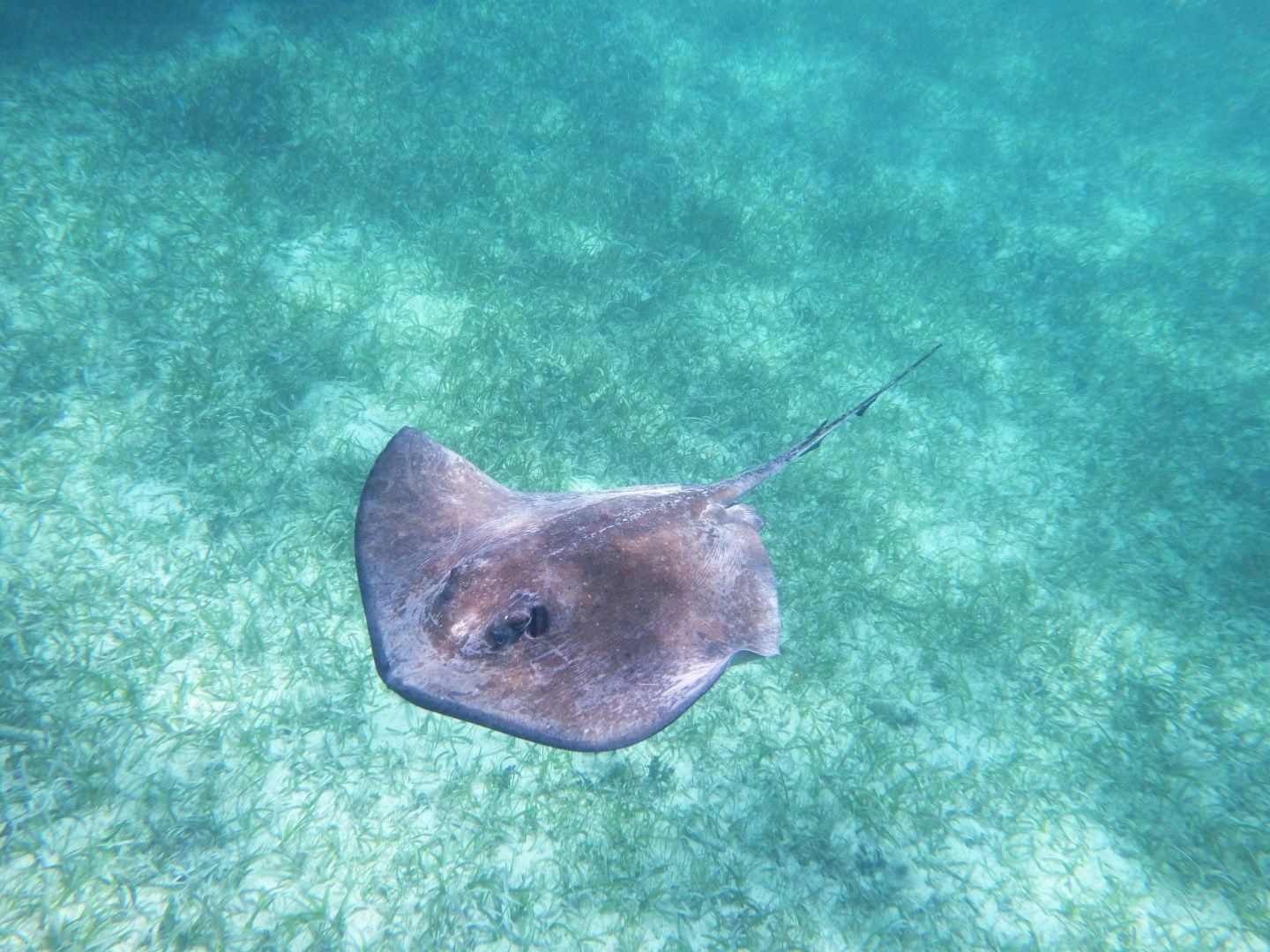
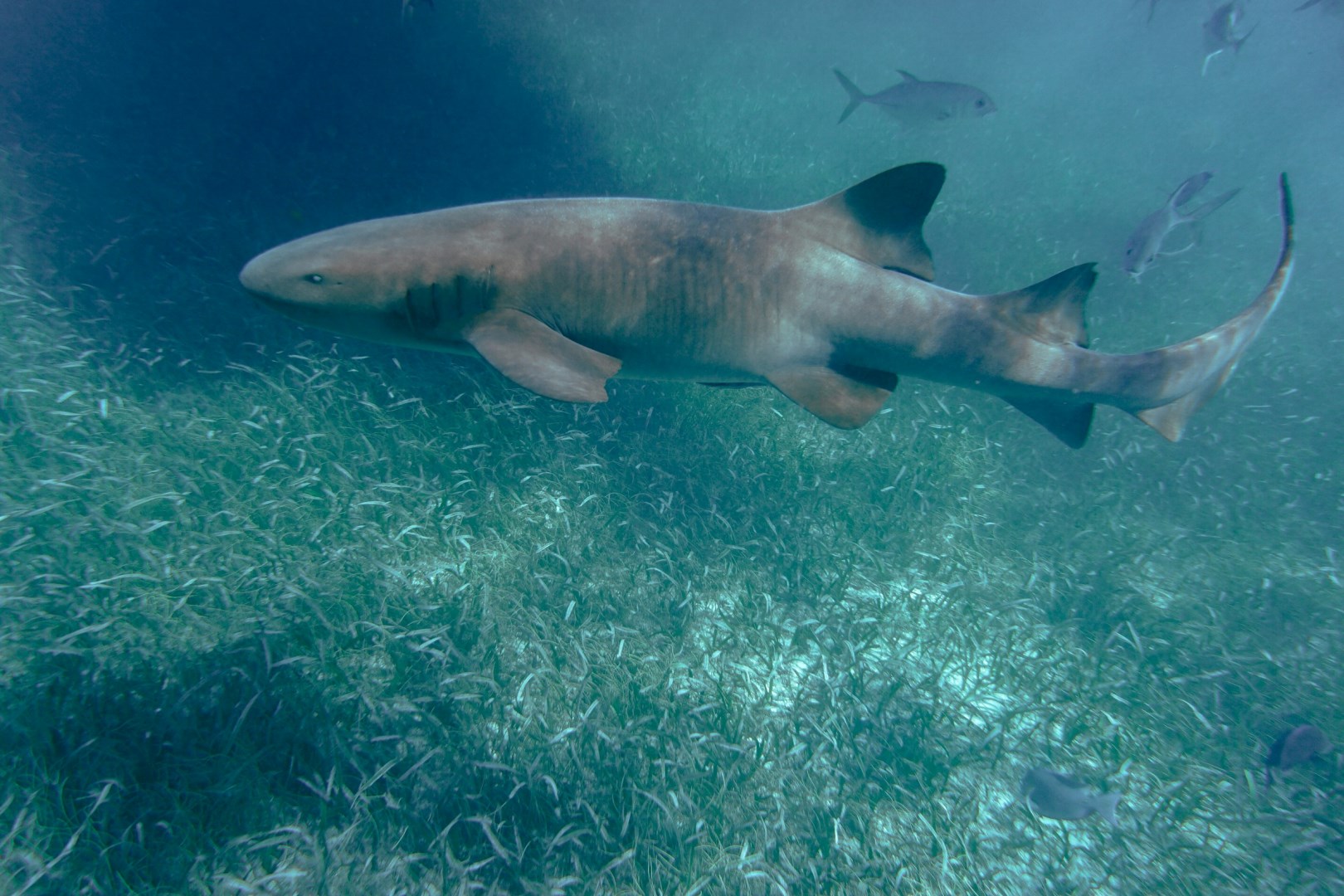
The reserve is divided into several zones, including reef, seagrass, mangrove, and channel habitats. The Hol Chan Cut is the best-known snorkeling and diving area, where visitors can observe coral formations and tropical fish in relatively shallow water. Shark Ray Alley, located nearby, is known for encounters with southern stingrays and nurse sharks. Green and loggerhead sea turtles, rays, barracuda, groupers, and many reef fish can also occur within the protected waters. Mangrove areas provide nursery habitat for juvenile marine species, while seagrass beds support turtles and other animals that depend on shallow coastal ecosystems.
Food associated with San Pedro and Ambergris Caye reflects Belize’s strong coastal traditions, with conch, lobster, snapper, grouper, shrimp, and other seafood commonly prepared with rice, beans, coconut, plantains, and fresh vegetables. The reserve itself has no restaurants or permanent food facilities, so visitors generally eat in San Pedro or bring provisions on boat excursions. One distinctive feature of Hol Chan is its community-based conservation history: local fishers played an important role in supporting protection of the reef, and the reserve demonstrates how marine habitats can be managed alongside fishing, tourism, research, and other activities that depend on healthy coastal waters.
Other Popular Destinations in Belize