USA | New Hampshire | Alton

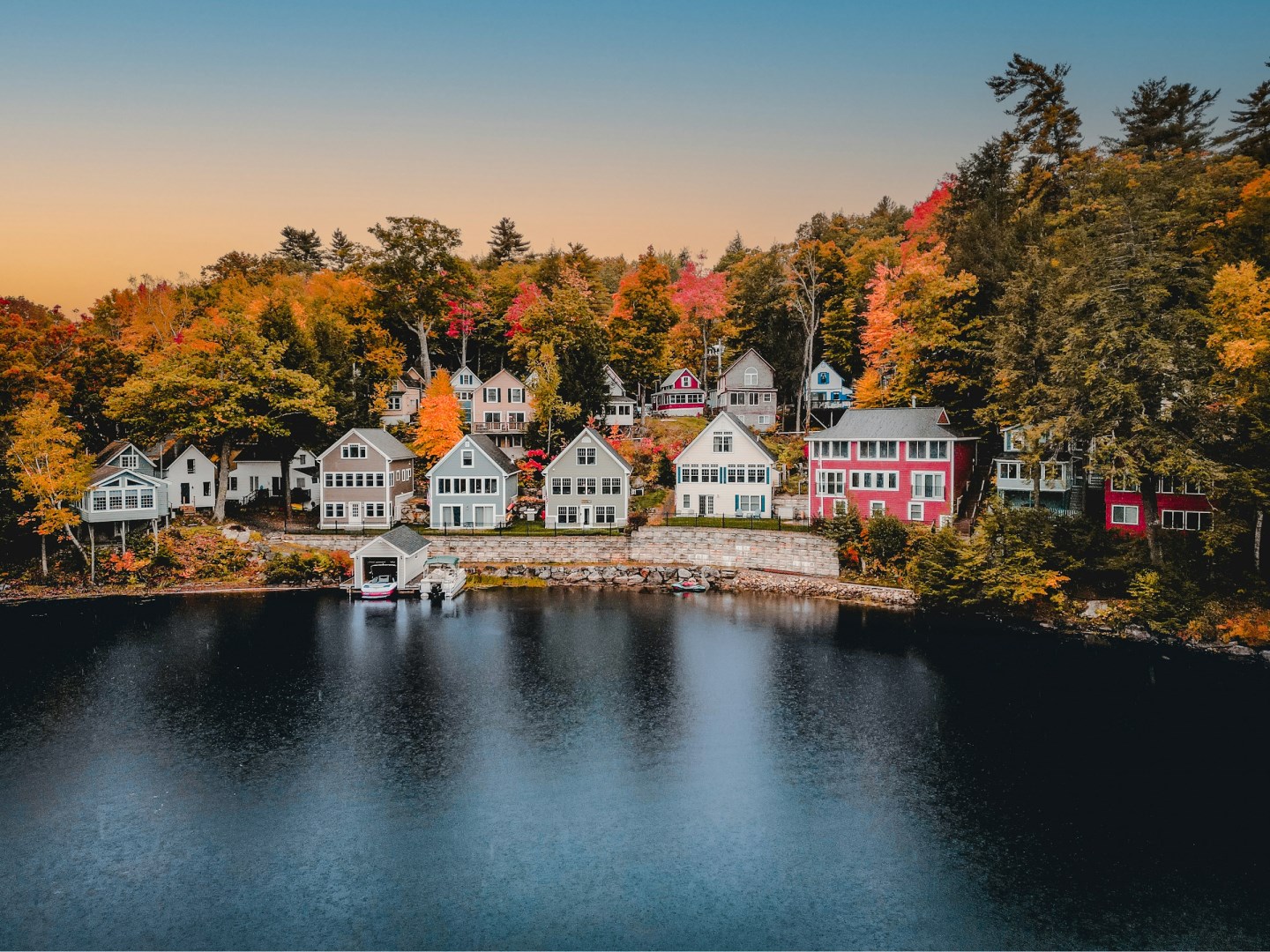
Alton is a small town in central New Hampshire, located at the southern end of Lake Winnipesaukee. Its landscape includes forested hills, wetlands, streams, and shoreline communities surrounding Alton Bay and the lake’s numerous islands. The town center lies inland from the main lakefront, while Alton Bay forms a historic summer community and transportation point. Mount Major rises nearby, providing a prominent backdrop and a popular hiking destination. Alton’s location at the edge of the Lakes Region places it between the larger resort communities around Lake Winnipesaukee and the quieter forests and rural roads of central New Hampshire.
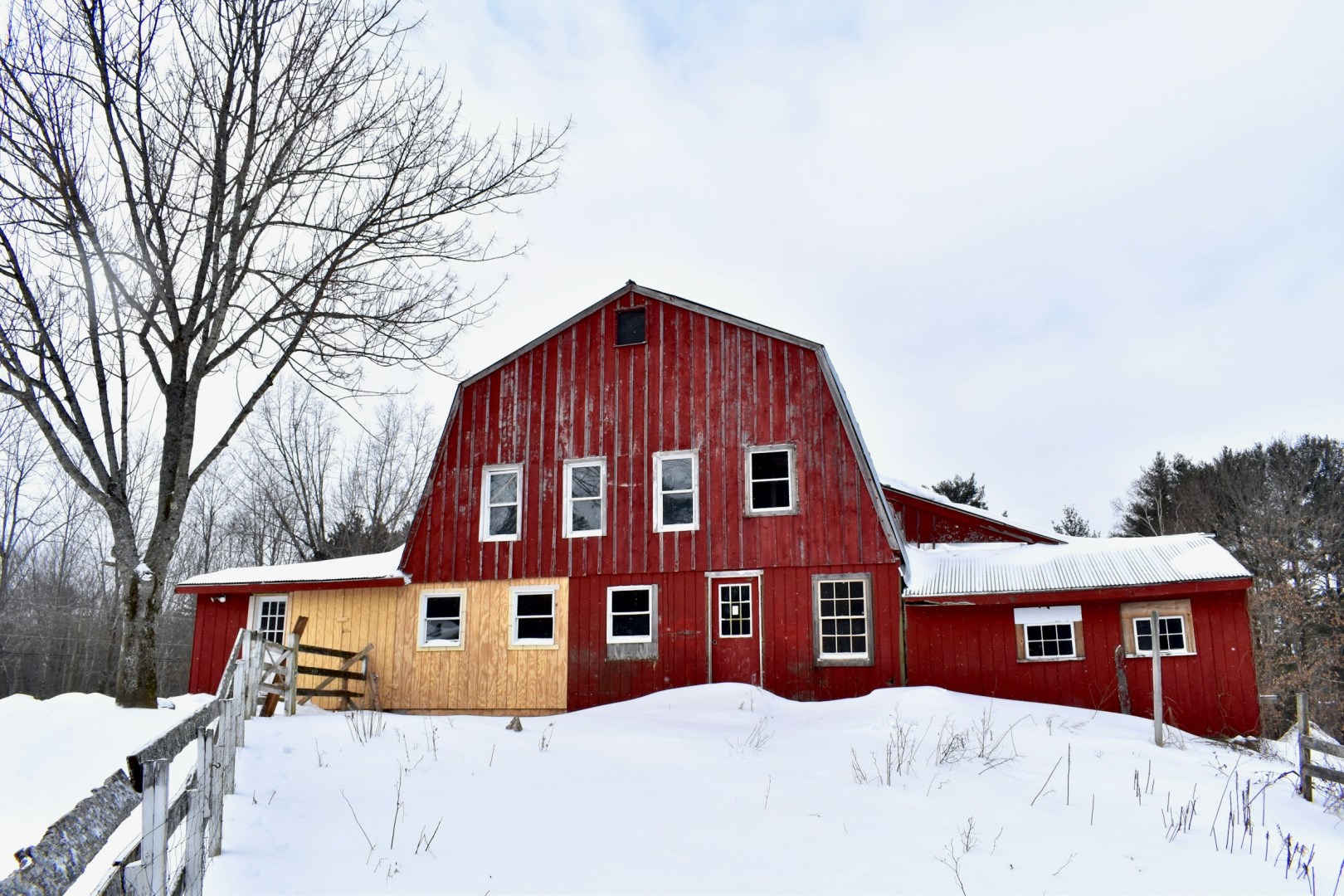
Alton’s history is connected to the Abenaki peoples who lived throughout the region before European settlement, followed by farming, milling, timber production, and small-scale industry. The town’s historic buildings and village areas reflect its development as a rural New Hampshire community. Alton Bay became an important seasonal gathering place, with religious meetings and summer tourism contributing to its identity. The Alton Historical Society preserves local records and artifacts, while the Alton Town Hall and other historic structures provide examples of traditional civic architecture. These layers of farming, lake travel, and seasonal recreation remain visible in the town today.
Mount Major is Alton’s best-known natural landmark, rising above Lake Winnipesaukee with several hiking routes leading to its summit and broad views across the lake and surrounding mountains. Alton Bay provides access to the lake and includes a public beach, boat launch, and waterfront areas. The nearby Lake Winnipesaukee Scenic Railroad offers excursions from communities farther north around the lake, while the surrounding Lakes Region contains numerous trails, beaches, and small waterways. Alton’s forests and wetlands also provide habitat for loons, bald eagles, deer, and other wildlife typical of central New Hampshire.
Alton’s food culture reflects the broader traditions of New Hampshire’s Lakes Region, with freshwater fish, maple products, apples, berries, and locally produced meats appearing in regional cooking. Lake Winnipesaukee supports recreational fishing for species such as lake trout, landlocked salmon, and bass. Seasonal farm stands and local markets provide produce during the warmer months, while maple syrup production is associated with the surrounding forests. Alton Bay’s long connection with summer visitors has also produced a selection of casual lakeside restaurants and seasonal food businesses. The combination of mountain trails, lake access, forests, and a traditional New England town center defines Alton’s character.