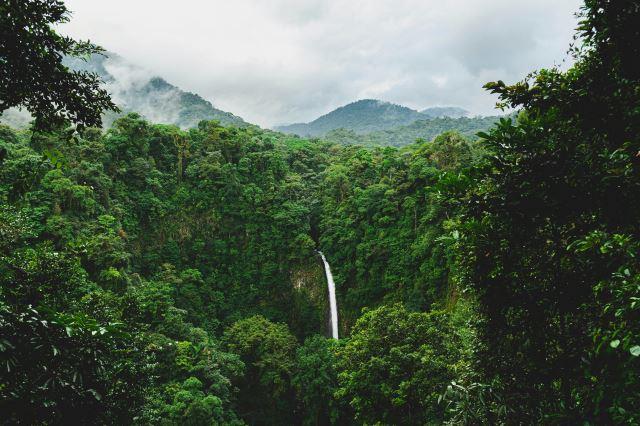
Central America | Costa Rica | Caño Negro Wildlife Preserve

Caño Negro Wildlife Refuge is a wetland reserve in northern Costa Rica, in Alajuela Province near the Nicaraguan border. The protected area covers lowland forests, rivers, lagoons, marshes, and seasonal waterways within the basin of the Frío River. Its largest water body, Caño Negro Lagoon, is fed by freshwater rivers and changes considerably with seasonal rainfall. The refuge is recognized as a Ramsar wetland of international importance and provides habitat and feeding grounds for a wide range of birds, fish, mammals, reptiles, and amphibians. The surrounding community of Caño Negro is closely connected to the protected landscape.
The area has a strong connection to the Maleku people, whose traditional territory includes the Guatusos Plain surrounding the refuge. Maleku communities maintain their language, cultural practices, and knowledge of the local environment, and some offer experiences that introduce visitors to traditional foods and ways of life. The Caño Negro community itself developed around agriculture, livestock, fishing, and the use of wetland resources, with tourism becoming another important activity. Because the refuge is a mixed protected area containing both public and private land, local residents and conservation authorities have an ongoing relationship with the management of its natural resources.
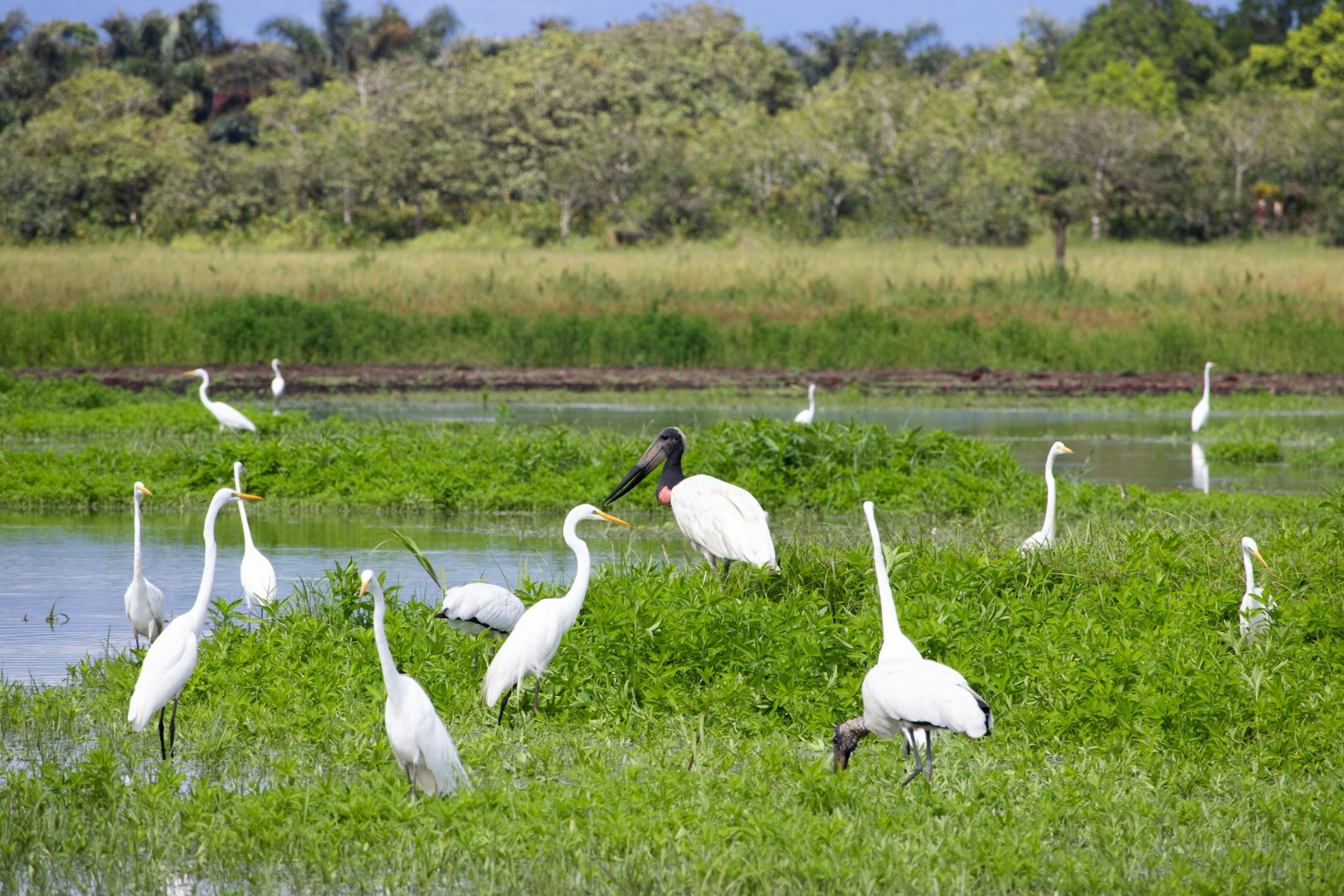
Waterways are central to exploring Caño Negro, with boat and canoe trips providing access to lagoons, channels, and forested riverbanks. The refuge is especially known for birdwatching, with resident and migratory species using the wetlands for shelter and food. Jabiru storks, kingfishers, herons, and other waterbirds can be observed, while caimans, turtles, iguanas, monkeys, sloths, and other wildlife inhabit the surrounding ecosystems. The refuge also protects the tropical gar, locally known as gaspar, an ancient freshwater fish often described as a living fossil. Trails and an observation tower provide additional ways to view the wetland.
Other Popular Destinations in Costa Rica